Author name: admin@dualhash.com

Exploring the United States Pharmacopeia: History, Standards, and Herbal Contributions

Introduction The history of medicine cannot be told without acknowledging the critical role of the United States Pharmacopeia (USP). As a guiding document, the USP has established trusted standards for medicines, herbs, and preparations, shaping both scientific and traditional healing practices. By combining historical insight with medical innovation, the USP remains one of the cornerstones […]

Exploring the United States Pharmacopeia: History, Standards, and Herbal Contributions Read More »
The Science and Tradition of Herbal Medicine: Insights from Old Manuscripts

Introduction Herbal medicine has shaped human history for thousands of years, bridging the gap between folklore, spirituality, and science. From remedies passed down through generations to carefully documented botanical studies, these traditions reveal how our ancestors viewed plants as healers, protectors, and companions in daily life. Today, thanks to collections like the World Herb Library, we

The Science and Tradition of Herbal Medicine: Insights from Old Manuscripts Read More »

From Hahnemann to Modern Healing: The Evolution of Homeopathy

Introduction Homeopathy has fascinated healers, researchers, and patients for more than two centuries. Founded by Dr. Samuel Hahnemann in the late 18th century, this holistic system of medicine emphasizes the body’s natural ability to heal itself. From early debates and clinical trials to modern integrative health practices, homeopathy’s evolution reflects both its resilience and its

From Hahnemann to Modern Healing: The Evolution of Homeopathy Read More »

The Lloyd Botanical Library: History, Bulletins, and Contributions to Herbal Medicine

Introduction Humanity’s relationship with plants is not only about survival—it’s about knowledge. Throughout history, libraries and archives have played a vital role in preserving this wisdom, ensuring that herbal, botanical, and pharmaceutical traditions are never lost. One such treasure is the Lloyd Botanical Library, a collection that safeguards rare bulletins, bibliographies, and texts central to

The Lloyd Botanical Library: History, Bulletins, and Contributions to Herbal Medicine Read More »

Thomsonian Botanic Medicine: History, Principles, and Legacy of America’s Herbal Healing System

Introduction Herbal medicine in America carries a fascinating history, with movements that shaped both popular and professional approaches to healing. One of the most influential of these was the Thomsonian system of botanic medicine, founded by Samuel Thomson in the late 18th and early 19th centuries. Built on the principle that nature provided every remedy

Thomsonian Botanic Medicine: History, Principles, and Legacy of America’s Herbal Healing System Read More »

Mushrooms: Edible, Poisonous, and Medicinal Fungi in History and Herbal Knowledge

Introduction Mushrooms have fascinated humanity for thousands of years. Some have nourished, some have healed, and others have caused deadly poisonings. Their dual nature—as both food and potential danger—has made them a subject of folklore, science, and medicine across cultures. From ancient herbalists to modern mycologists, the study of mushrooms has shaped our understanding of

Mushrooms: Edible, Poisonous, and Medicinal Fungi in History and Herbal Knowledge Read More »

From Latin to Common Tongue: A Guide to Plant Names and Their History

Introduction Plant names are more than simple labels; they are windows into history, culture, science, and tradition. From the structured Latin system of botanical classification to the colorful and descriptive common names used in everyday language, plant names tell stories about how humans have interacted with the natural world. Whether rooted in medicine, folklore, or

From Latin to Common Tongue: A Guide to Plant Names and Their History Read More »

The Evolution of Pharmacy: From Early Dispensatories to Modern Pharmacopoeias

Introduction Pharmacy is one of the oldest healing sciences, bridging the gap between medicine, botany, and chemistry. Long before the age of modern laboratories and pharmaceutical companies, healers, apothecaries, and physicians relied on detailed manuals and reference works to guide their use of plants, minerals, and compounds. These early dispensatories and pharmacopoeias laid the foundation

The Evolution of Pharmacy: From Early Dispensatories to Modern Pharmacopoeias Read More »

Materia Medica and the History of Healing Plants

Introduction The story of medicine is deeply intertwined with plants. For centuries, human societies have relied on herbal knowledge to treat illness, maintain health, and connect with nature’s healing power. At the center of this tradition lies Materia Medica, the body of knowledge documenting plants, minerals, and other natural substances used in medicine. Long before

Materia Medica and the History of Healing Plants Read More »

Hortus Eystettensis and the Legacy of Early Botanical Illustration

Introduction In the early 17th century, one of the most ambitious and visually stunning botanical works ever created came to life: the Hortus Eystettensis. This masterpiece of botanical art not only documented plants with scientific precision but also elevated them into works of art. Compiled under the patronage of Prince-Bishop Johann Konrad von Gemmingen and

Hortus Eystettensis and the Legacy of Early Botanical Illustration Read More »

Herbal Simples: Ancient Plant Remedies and Their Modern Relevance

For centuries, humanity has turned to plants for healing. Long before modern pharmaceuticals, healers relied on herbal simples—single plant-based remedies known for their natural therapeutic properties. These simples formed the foundation of traditional medicine across cultures and continue to influence holistic healing practices today. Exploring historic texts on herbal simples not only uncovers forgotten wisdom

Herbal Simples: Ancient Plant Remedies and Their Modern Relevance Read More »

From Domestic Medicine to Herbal Healing: Family Botanical Guides Through History

Introduction For centuries, families across the world relied on practical manuals and herbal guides to navigate health and wellness. Before modern pharmaceuticals and professionalized medicine became widely available, these family botanical guides served as essential handbooks—teaching households how to prepare remedies, select foods for health, and apply traditional knowledge to everyday ailments. Today, these texts

From Domestic Medicine to Herbal Healing: Family Botanical Guides Through History Read More »

Carl Linnaeus: The Father of Modern Botany and His Enduring Legacy

Introduction Few names in the history of science carry as much weight as Carl Linnaeus, often called the Father of Modern Botany. His groundbreaking system of classification revolutionized how plants and animals were studied, named, and understood. Linnaeus’s work continues to influence biology, herbal medicine, and natural history even centuries after his time. By bridging

Carl Linnaeus: The Father of Modern Botany and His Enduring Legacy Read More »

Culinary Herbs and Historic Foods: Exploring the Botanical Roots of Flavor and Tradition

Food is more than just sustenance—it is culture, memory, medicine, and tradition. Throughout history, culinary herbs and foods have not only flavored meals but also carried symbolic, medicinal, and social significance. Ancient texts and botanical works reveal how societies across the globe cultivated, prepared, and celebrated foods that remain part of our diet today. By

Culinary Herbs and Historic Foods: Exploring the Botanical Roots of Flavor and Tradition Read More »

The Art of Natural Dyeing: Exploring Dye Plants and Herbal Color Traditions

Introduction For centuries, plants have been used not only for medicine and food but also for color. Long before synthetic dyes were developed, communities across the world turned to dye plants to create vibrant shades for textiles, art, and ritual. The art of natural dyeing reflects both scientific curiosity and cultural tradition, bridging botany, chemistry, and

The Art of Natural Dyeing: Exploring Dye Plants and Herbal Color Traditions Read More »

Apothecaries and Herbal Healing: Exploring Historic Manuals, Gardens, and Remedies

Introduction The history of medicine is deeply rooted in the world of apothecaries—skilled practitioners who combined knowledge of plants, minerals, and traditional remedies to prepare cures for their communities. Long before the rise of modern pharmacies, apothecaries served as the bridge between folk healing and emerging medical science. Their legacy lives on through rare texts,

Apothecaries and Herbal Healing: Exploring Historic Manuals, Gardens, and Remedies Read More »

The Poetry of Petals: Understanding the Artistic Language of Flowers

Introduction For centuries, flowers have been more than ornaments of beauty—they have served as messengers of emotion, symbols of love, sorrow, joy, and even secret codes of communication. This tradition, often referred to as the “language of flowers”, or floriography, reached its height during the 18th and 19th centuries when books and manuals turned blossoms

The Poetry of Petals: Understanding the Artistic Language of Flowers Read More »

Herbal Folklore: Exploring the Legends, Myths, and Healing Power of Plants

From ancient herbals to richly illustrated botanical works, plants have always been more than just sources of food and medicine. They carry with them stories, rituals, and symbolism that reflect humanity’s deep bond with nature. Herbal folklore is where myth, healing, and cultural tradition meet, offering insights into how people across centuries understood the power of

Herbal Folklore: Exploring the Legends, Myths, and Healing Power of Plants Read More »

The Origins of Pharmacology: How Medical Councils Shaped Modern Medicine

Introduction The story of medicine is not only about discoveries of herbs, remedies, or groundbreaking drugs—it is also about structure, regulation, and education. Without systematic guidance, medicine would have remained fragmented and inconsistent. This is where medical councils stepped in, shaping the future of pharmacology and modern healthcare. The General Council of Medical Education and

The Origins of Pharmacology: How Medical Councils Shaped Modern Medicine Read More »

The Origins of Toxicology: Poisons, Medicine, and Early Forensic Science

Throughout history, humans have lived in close contact with plants, minerals, and animal substances—some nourishing, some healing, and others deadly. Toxicology, the study of poisons and their effects on the body, emerged at the crossroads of medicine, law, and science. Long before modern laboratories, healers, physicians, and even legal authorities relied on early knowledge of

The Origins of Toxicology: Poisons, Medicine, and Early Forensic Science Read More »

Between Faith and Science: Uncovering the World of Medieval Medicine

Introduction The history of medicine in the Middle Ages is a fascinating story of contrasts — a world where faith, superstition, and empirical observation overlapped. Healers drew knowledge from ancient texts, folklore, and religious traditions, while at the same time making observations that helped shape the foundations of modern medical science. Medieval medicine was neither purely

Between Faith and Science: Uncovering the World of Medieval Medicine Read More »

Dispensatories Through the Ages: How Herbal Texts Shaped Modern Medicine

The history of medicine cannot be told without the dispensatories—comprehensive reference works that cataloged plants, remedies, and preparations used by physicians, apothecaries, and herbalists. These texts served as indispensable guides, bridging the gap between traditional healing practices and emerging scientific methods. From the earliest herbal manuals to the great dispensatories of Europe and America, they

Dispensatories Through the Ages: How Herbal Texts Shaped Modern Medicine Read More »

The Roots of Healing: A Journey into Ancient and Medieval Medical Traditions

Medicine has always been more than a science—it is a mirror reflecting how societies understood health, disease, and the human body. Ancient and medieval medical traditions laid the foundations of many practices we recognize today, combining herbal wisdom, philosophy, and cultural beliefs. These traditions not only influenced healing methods but also shaped the way knowledge

The Roots of Healing: A Journey into Ancient and Medieval Medical Traditions Read More »

Nature’s Poetry: The Enduring Allure of Wildflowers in History

Introduction Wildflowers have long captured the human imagination, not only for their natural beauty but also for their resilience, symbolism, and cultural significance. From ancient pathways and country meadows to meticulously documented botanical studies, wildflowers have been celebrated as both teachers and muses. Historic guides and illustrated works remind us that wildflowers are more than

Nature’s Poetry: The Enduring Allure of Wildflowers in History Read More »

Plants, Medicine, and Myth: A Journey into the World of Botany

From ancient rituals to modern science, plants have played a pivotal role in shaping human civilization. Botany—the study of plants—extends far beyond classification or description. It encompasses medicine, culture, agriculture, and even mythology. For centuries, people have turned to plants for healing, nourishment, and inspiration, recording their uses in manuscripts, illustrations, and oral traditions. Exploring

Plants, Medicine, and Myth: A Journey into the World of Botany Read More »

Ethnobotany: Exploring the Ancient Relationship Between People and Plants

Human history is inseparably bound to plants. From food and shelter to medicine, rituals, and trade, plants have shaped civilizations and continue to influence modern science. The study of this connection—ethnobotany—bridges culture, tradition, and botany, offering insight into how communities across the world used and preserved plant knowledge. Ethnobotany not only celebrates cultural heritage but

Ethnobotany: Exploring the Ancient Relationship Between People and Plants Read More »

Herbals

From Herbals to Elixirs: How Alchemy Influenced Herbal Medicine

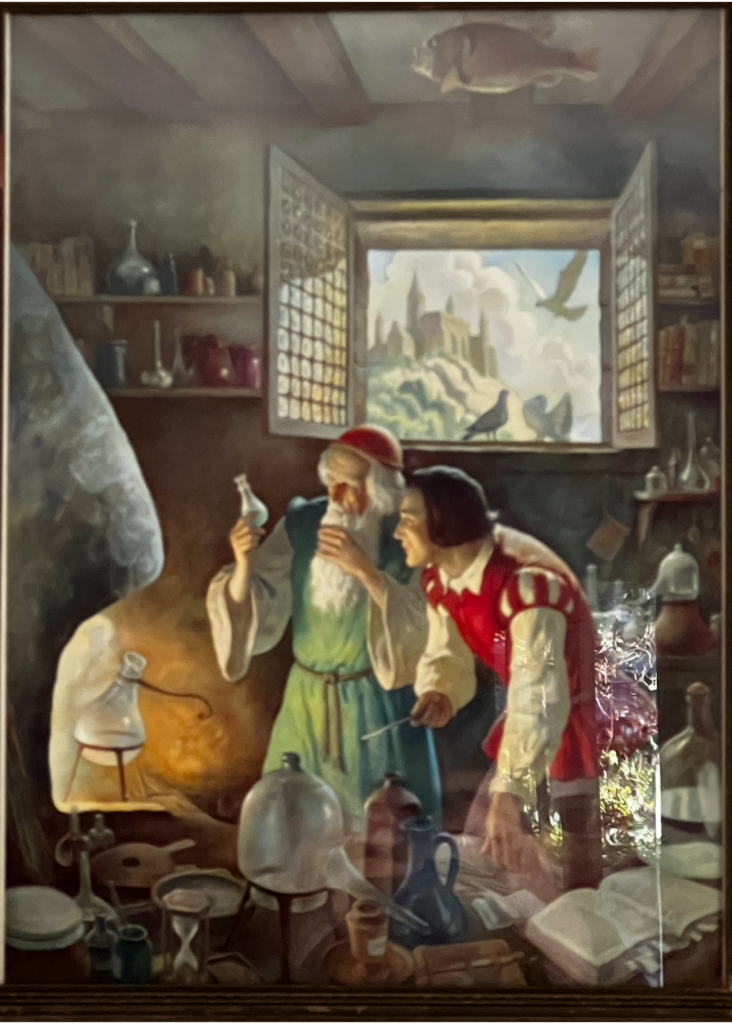
Historical Roots of Herbal Alchemy Early cultures often merged botanical wisdom with early chemical techniques. Egyptian priests used stills to extract fragrant flower waters and essential oils for medicine and ritual. In the Middle Ages, Islamic scholars preserved and expanded Greek, Egyptian, and Persian alchemy, transmitting advanced distillation and infusion methods. For instance, medieval Persian

From Herbals to Elixirs: How Alchemy Influenced Herbal Medicine Read More »

thumbnail

The Evolution of Medicine: Global Perspectives from Antiquity to Modernity

Introduction Medicine, as both a science and an art, has evolved through centuries of observation, experimentation, and cultural exchange. From the herbal prescriptions of ancient civilizations to the structured approaches of classical physicians, and eventually the rise of modern clinical practices, medicine reflects humanity’s ongoing quest to understand the body and restore health. Exploring the

The Evolution of Medicine: Global Perspectives from Antiquity to Modernity Read More »

World Herb Library logo

The Role of Botanical Latin in Plant Science and Herbal Traditions

Introduction Language has always been central to human understanding of the natural world. For centuries, scholars, healers, and explorers described plants in their native tongues, often leading to confusion as the same species carried dozens of local names. The solution to this problem came in the form of Botanical Latin, a standardized system that unified

The Role of Botanical Latin in Plant Science and Herbal Traditions Read More »

World Herb Library logo

Perfumes, Remedies, and Rituals: The Forgotten History of Essential Oils

Essential oils have become a familiar part of modern life, appearing in aromatherapy, natural cosmetics, and holistic wellness practices. Yet their story stretches back much further than today’s spa treatments or diffusers. Essential oils are products of a long human fascination with fragrance, medicine, and ritual. From the distillation experiments of early alchemists to the

Perfumes, Remedies, and Rituals: The Forgotten History of Essential Oils Read More »

World Herb Library logo

The Forgotten Codes of Health: Historic Guides to Wellness and Longevity

Introduction In today’s world of health trends and wellness programs, it is easy to forget that the pursuit of a healthy and long life has been a human concern for centuries. Long before modern medicine, communities turned to natural remedies, lifestyle practices, and holistic philosophies to maintain well-being. Ancient and early modern health texts not

The Forgotten Codes of Health: Historic Guides to Wellness and Longevity Read More »

CURBW039t 1

The Golden Age of Botanical Art: Exploring Curtis’s Botanical Magazine

What Was the Golden Age of Botanical Art? The golden age of botanical art (roughly 1750–1850) was a period when art and science merged to produce some of the most remarkable plant illustrations in history. During this time, European explorers brought back thousands of new species from Asia, Africa, and the Americas. To classify and

The Golden Age of Botanical Art: Exploring Curtis’s Botanical Magazine Read More »

World Herb Library logo

Dioscorides and the Birth of Pharmacology: Ancient Texts in Focus

Introduction The foundations of pharmacology and herbal medicine owe much to the work of Pedanius Dioscorides, a Greek physician and botanist of the 1st century CE. His monumental text, De Materia Medica, became the cornerstone of medical and botanical knowledge for more than 1,500 years. Unlike many ancient writings that were lost or fragmented, Dioscorides’

Dioscorides and the Birth of Pharmacology: Ancient Texts in Focus Read More »

Scroll to Top